Elena Ferrante has it.
In an art form increasingly suffering from contemporary irrelevance, discourse around literature suffers from a form of audience capture that results in an ever-desperate search for new classics to anoint. Truthfully, the count of novels in the post-war period that qualify as distinct and outstanding artifacts that will withstand time’s withering glare probably number in the low hundreds. Many have pushed the boundaries of the novel as a form, but often at the expense of traits that make a piece of written art lasting: characterization, plot, and something resembling an arc. That is not to say everything written is bad, just that it can be fleeting.
The Neapolitan Novels are not that. Quite the opposite. A decade-plus on from the publication of the first in the series, My Brilliant Friend (2011), every paragraph reads so lightly, each sentence constructed with such elegance, that the actual length of the book feels less like a burden and more like a blessing. This was writing designed to last. It follows the intertwined stories of two girls from a poor district of 1950s Napoli and their friendship; the way it forms, changes, ebbs and flows with the passing of time and all the alterations adulthood brings to any life.
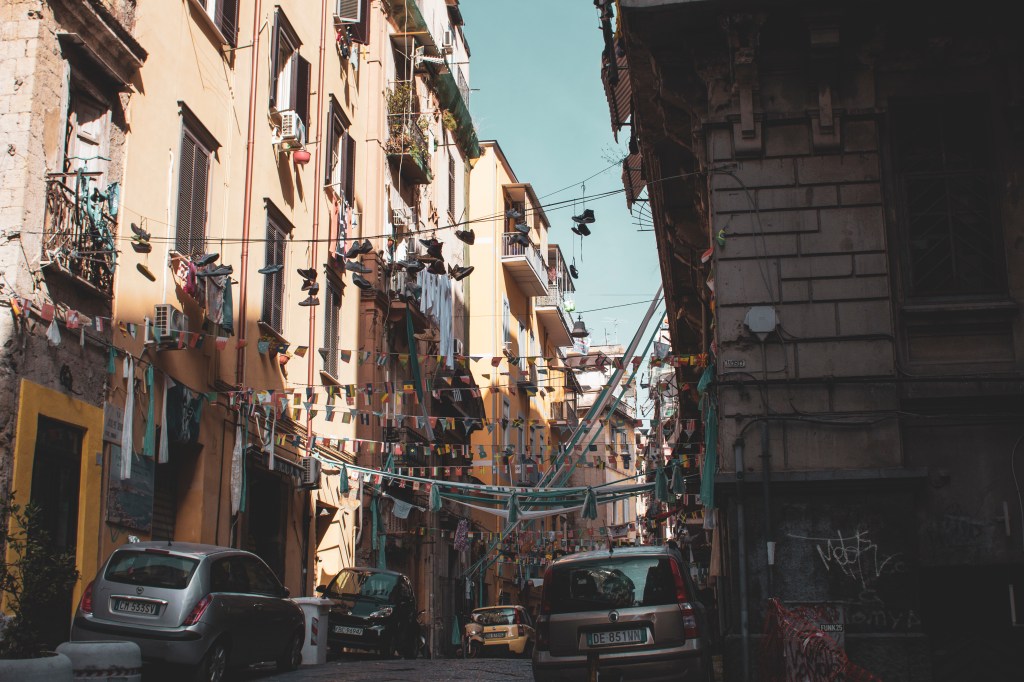
Both women are, in their way, brilliant individuals and the characterization by Ferrante is a sight to behold. Their outstanding qualities make it all the more damning when they run up against the walls society habitually uses to close them in. The demands of family, constraints of marriage, constriction of childbearing, and the allure to cease resisting and simply conform to a lifetime of drudgery all menace at the door. For one of the girls the chance at escaping poverty for both her and her family is the trick that does her in. Yet she does not go quietly into the night; or, at least, not immediately. She fights back, she undermines, she resists, but she also feels the toll of everything stacked against her. A fiery temperament proves to be nothing more than a flimsy matchstick compared to the blaze of domestic and sexual abuse, all given a quiet stamp of approval by friends and family who see it more like comeuppance than the crimes they are.
All this and there are still 2.5 books and about 40 years of storyline to go.
That’s a long way to say I cannot recommend the series strongly enough. I began them as a way to read a novel set in a place I was visiting and ended up having the good luck to confirm (for once) what everyone else is saying: These are masterpieces of literature. Congratulations and many thanks to Signorina Ferrante.
 New Orpheu