Han Kang won the 2024 Nobel Prize in Literature earlier this week. While I’ve not had the pleasure of reading her work just yet, her success is another sign of the expanding horizons of world literature.
She is the first Korean Literature laureate, the first female laureate from her nation, the first female laureate from Asia. Her works center on the present and recent past of South Korea, from the continuing strictures of Korean culture to its bloody trials and tribulations under the decades-long dictatorships of the First through the Fifth Republics. Her writing’s entry onto the center stage of world literature expands the myriad strands of human experience we come into contact with.
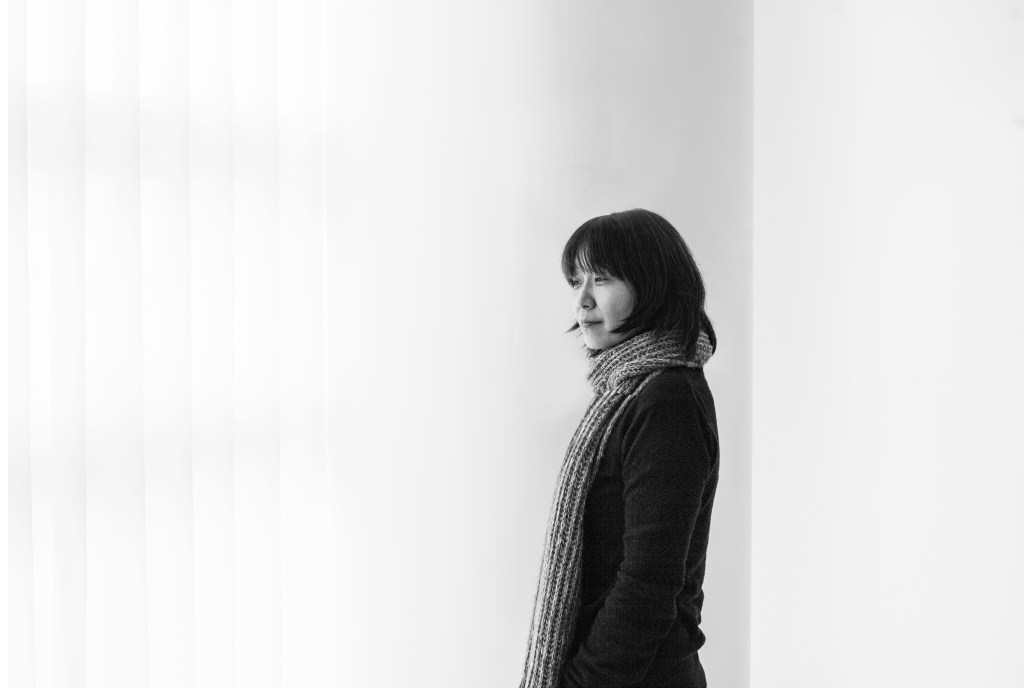
Importantly, Han’s victory shows that the Swedish Academy is committed to a commendable path when making their annual selections. The last four winners — Abdulrazak Gurnah (Tanzania), Annie Ernaux (France), Jon Fosse (Norway), and Kang (South Korea) — embody a few changes in undercurrents. First, the good and the great names popular among Anglophone readers may face an uphill battle to reach the summit again after Louise Glück’s win in 2020. Second, we’re seeing a purposeful widening in the subject matter the Academy finds worthwhile shining a light on through literature. Gurnah’s focus on the long lingering aftereffects of colonialism and the perpetual oblivion refugees are often consigned to; Han’s work on the implacable nature of state power wielded against its own citizens represent just two expansions in subject matter. Third, there is still room for rewarding experimentation in style. Ernaux spearheaded the movement now known as autofiction (perhaps the dominant genre in writing today) decades before it found its current footing; Fosse’s style is borderline barren at times, prone to repeating sequences and spun out spools thoughts that blur reality and the abstract. The one defined an approach to writing, the other pushing the boundaries of written language in his native Norwegian and beyond.
There can be a lot of doom and gloom around books. Publishing continues to consolidate, the battle against digital screens seems a losing one, and there is always the concern that something as enthusiastically self-important as “high” literature will raise its walls so high as to fall completely out of sight of the mainstream it both desires and rejects. This week, though, was a victory. A small one in the grand scheme of things, maybe, but a signal that even the loftiest heights of the loftiest art can happen upon promising decisions.
Congratulations to Han Kang, and here’s to next year’s winner!
 New Orpheu