So Much Longing in So Little Space is a test to see how far a title can carry a book. Do combinations of words get any better than that?
This is Karl Ove Knausgård at both his best and his worst. What is refreshing about his writing is how apparently upfront he is about his biases, his thoughts, his feelings, from the mundane to the abstract. That he is an intelligent observer of the self lends his work the weight we expect of the best in autofiction. The challenge of his moving outwards from Min Kamp into the realm of the essayist seems, as yet, too much of a leap.
Like in his collection of essays In the Land of the Cyclops, the particular combination of naïveté and digression that normally serves him so well in his novels fails here. Edvard Munch is the great Norwegian painter whose works of the 1890s (The Scream an icon of human creativity) pushed him to the fore of emergent modernism in European painting. That the same artist would then spend 40 years reducing the scope and scale of his motifs is worthy of investigation. To dispatch one of Norway’s great contemporary writers to investigate Munch seems a ready-made success.
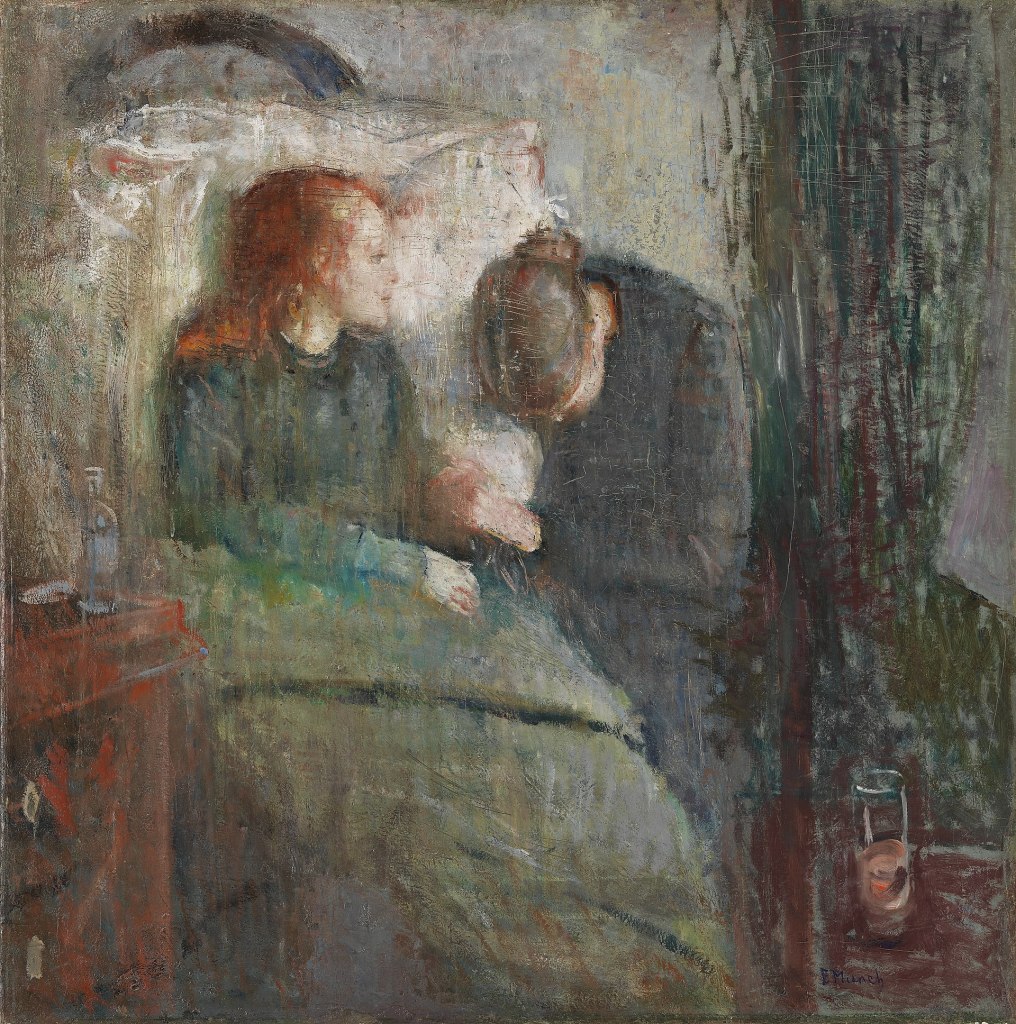
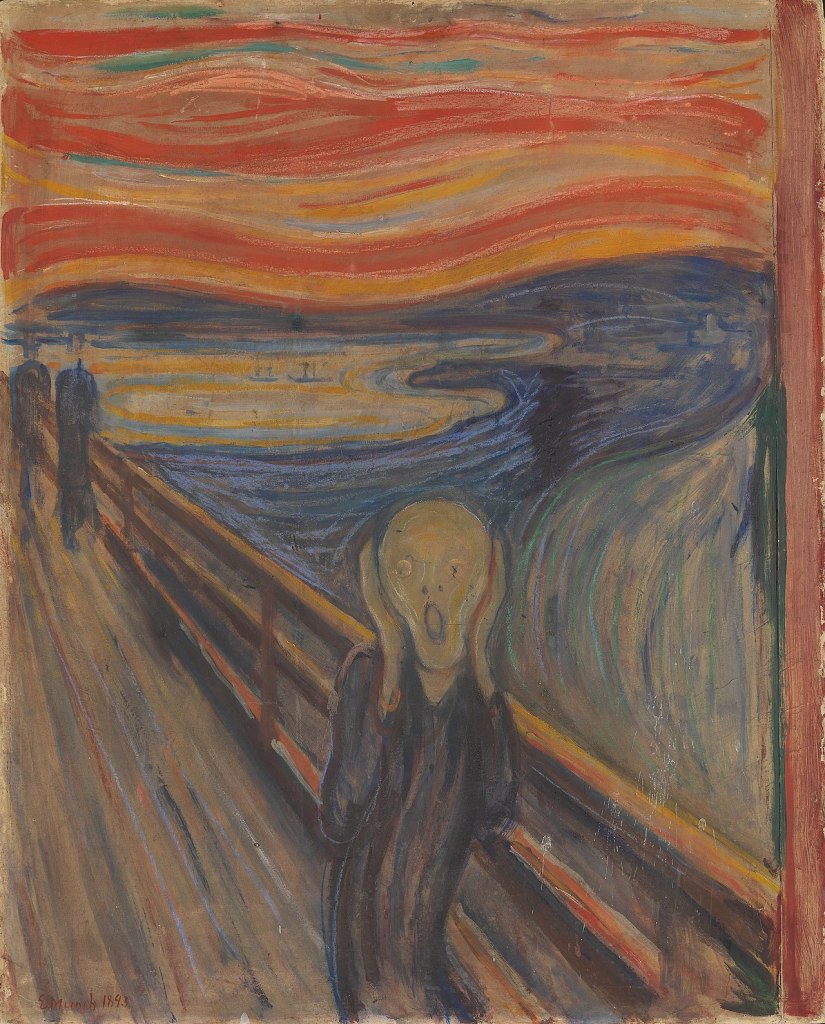

Unfortunately, in the roughly 230 pages Knausgård delivers on Munch, we are asked to spend as much time reading about photographers, Knausgård’s speaking arrangements, challenges curating a Munch exhibition, etc. as we are the artist himself. All of these things are fine on their own merits, I suppose, but not really the point.
When Knausgård does pay attention to Munch the book begins to sing. While some of his reflections on the 1,700-plus Munch works can feel contrived, that is merely the reality of an amateur doing his best to come to grips with the meaning of art. By far the best part of the book was a brief scene where Knausgård and an art critic are reviewing the Munch repository at the Munch Museum. In this give and take between informed curious novice and technical expert we spot those contrasts so unique to painting. A single picture can speak so differently to two people who, really, aren’t all that different from one another. That is its power as an art form. I merely wish Knausgård had spent more time there than wandering down dead ends.
 New Orpheu